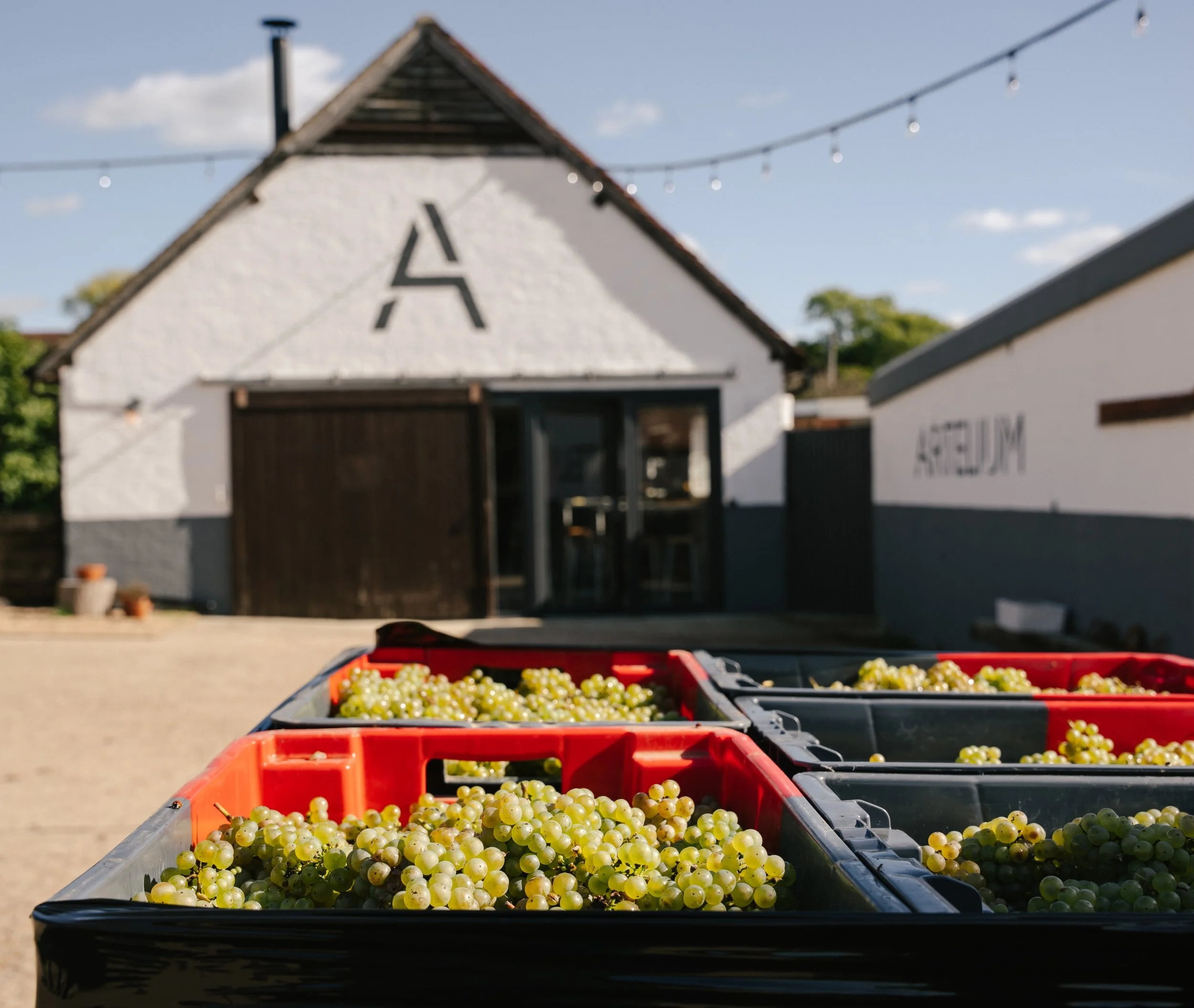
Artelium Vineyard, Streat, East Sussex
A Guide to Disease Resistant Varieties and the Future of English Wine
There is a quiet revolution taking place in vineyards across Europe. It is not about replacing the great grape varieties we already know and love. It is about asking whether we can grow excellent wine grapes with fewer interventions, greater resilience and a lighter touch on the land.
That is where PIWI grapes come in.
For generations, the world’s best-known wines have been made from a relatively small family of varieties, including Chardonnay, Pinot Noir, Cabernet Sauvignon, Riesling and Sauvignon Blanc. They have earned their reputations over centuries, but many are naturally vulnerable to fungal disease. In a damp, cool-climate country such as England, that vulnerability can mean repeated treatments and tractor passes during the growing season.
PIWIs offer another route. These disease-resistant grape varieties are bred to combine useful resistance with the qualities needed to make compelling wine. At Artelium, we see them not as a shortcut, and certainly not as a replacement for Chardonnay, Pinot Noir or Meunier, but as a thoughtful addition to the future of English wine.
What Does PIWI Mean?
PIWI is short for the German word Pilzwiderstandsfähig, meaning fungus-resistant. The term is used for modern grape varieties bred and selected to offer stronger resistance to fungal diseases than many traditional European wine grapes.
The most important word here is resistant, not immune. Resistance differs between varieties and can be affected by site, season and disease pressure. PIWI vines still require skilled pruning, canopy management, monitoring, crop control and good vineyard judgement. Many can reduce the need for fungicide treatments, but they should not automatically be described as “no-spray” grapes.
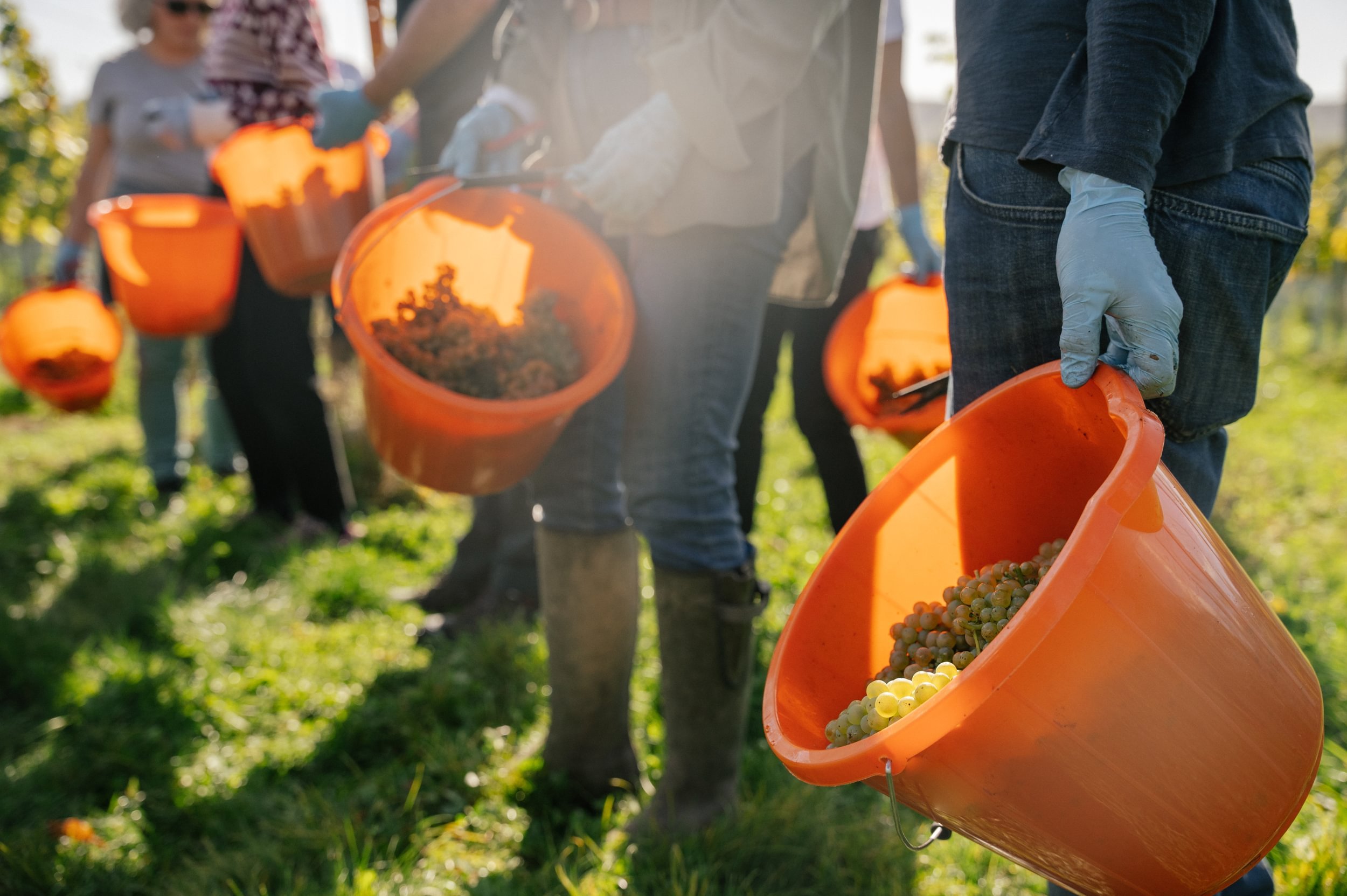
Artelium Harvest

Street Vineyard as seen from Artelium terrace
What Are Disease-Resistant Grape Varieties?
Most classic European wine grapes belong to Vitis vinifera. These include Chardonnay, Pinot Noir and Sauvignon Blanc, but they can be susceptible to diseases such as powdery mildew and downy mildew. Breeders have crossed high-quality wine-grape material with vines carrying useful resistance traits, then selected the best offspring over many years.
Modern PIWIs are therefore the result of conventional crossing, pollination, selection and field trials. They are not genetically modified. Their family trees can be complex because breeders are looking for several qualities at once: disease resistance, reliable ripening, balanced acidity, suitable tannin, good flavour and practical vineyard performance.
The process is neither quick nor simple. A promising seedling must prove itself repeatedly before it can become a named, commercially useful grape variety.
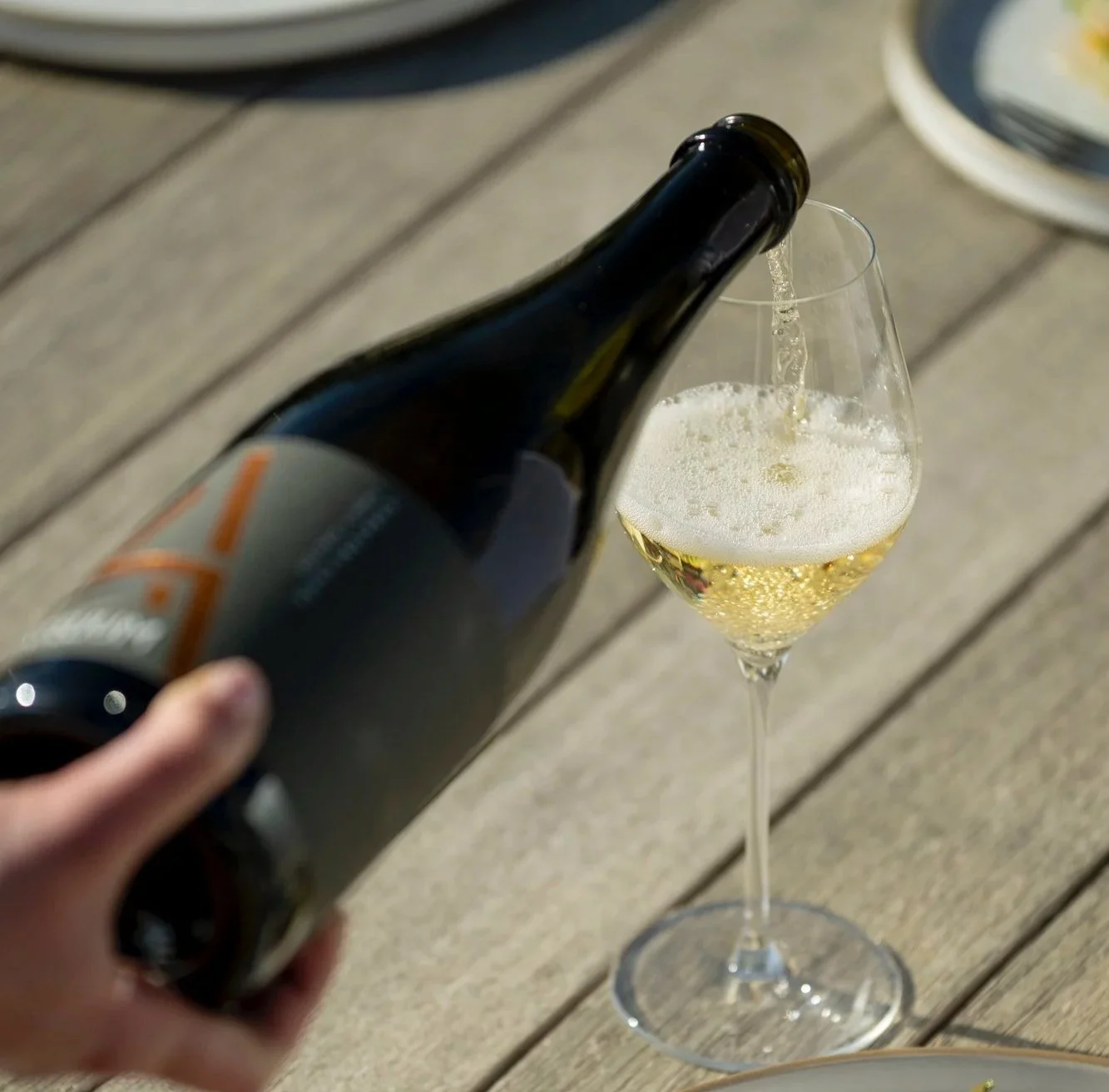
Artelium Curators Cuvée 2019
Why Were PIWI Grapes Created?
The practical challenge is easy to understand. Fungal diseases can damage leaves, bunches and yields, particularly in wet or humid conditions. Controlling them may require vineyard treatments, labour, fuel and repeated machinery passes.
PIWI breeding asks whether some of that pressure can be reduced without giving up wine quality. Depending on the variety and conditions, potential benefits can include:
· Fewer fungicide treatments and tractor passes
· Lower fuel, labour and spray costs
· Less soil compaction from machinery
· Reduced risk of disease-related crop loss
· More options for lower-input and regenerative vineyard management
· New flavours, structures and blending possibilities for winemakers
These benefits are possibilities rather than guarantees. Responsible claims should always be tied to a particular variety, site and season.
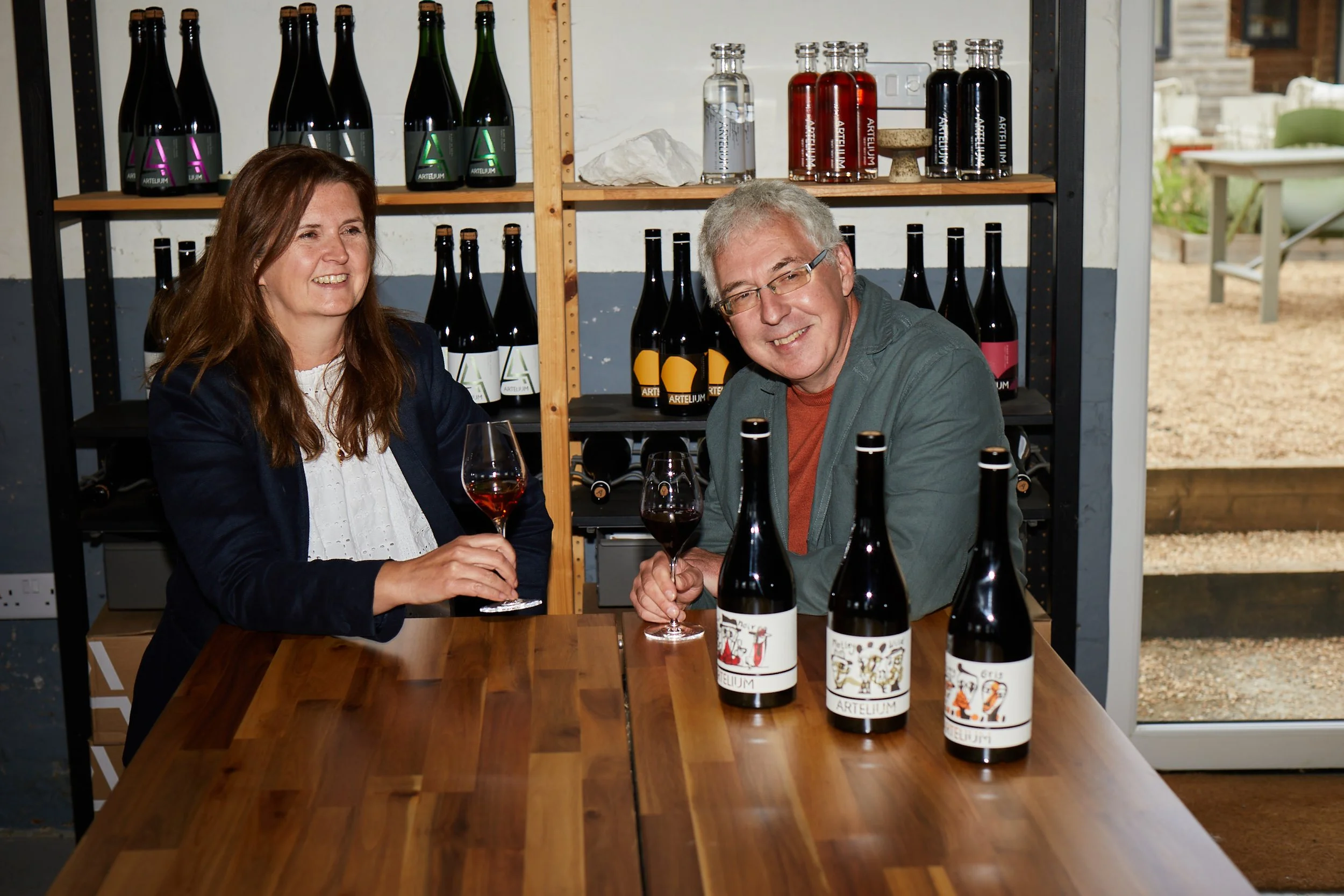
Artelium co-founders Julie Bretland & Mark Collins with Artefact range still wines
Why Do PIWIs Matter for Sustainable Winegrowing?
Sustainability in a vineyard is built from everyday choices. It is about soil, water, biodiversity, energy, materials, labour and the long-term health of the farm. If a vine can remain healthy with fewer treatments, that can reduce inputs and machinery use while giving the vineyard team more options.
That does not make every PIWI wine automatically sustainable, nor does it make traditional varieties unsustainable. Viticulture is more nuanced than that. A genuinely responsible approach looks at the whole farming system and avoids turning one useful trait into an exaggerated environmental claim.
For us, PIWIs sit naturally alongside regenerative viticulture. They give us another tool as we work to nurture healthier soils, build biodiversity, reduce unnecessary interventions and produce expressive wines. The aim is not sustainability as a slogan. It is better farming, tested in practice.

PIWI Grapes at Artelium
Are PIWI Grapes Genetically Modified?
No. PIWI varieties are developed through conventional crossing and selection, not genetic modification. Breeders transfer pollen between parent vines, raise seedlings and select the individuals that show the best combination of resistance, ripening and wine quality. The work is scientific, but the underlying process is traditional plant breeding.
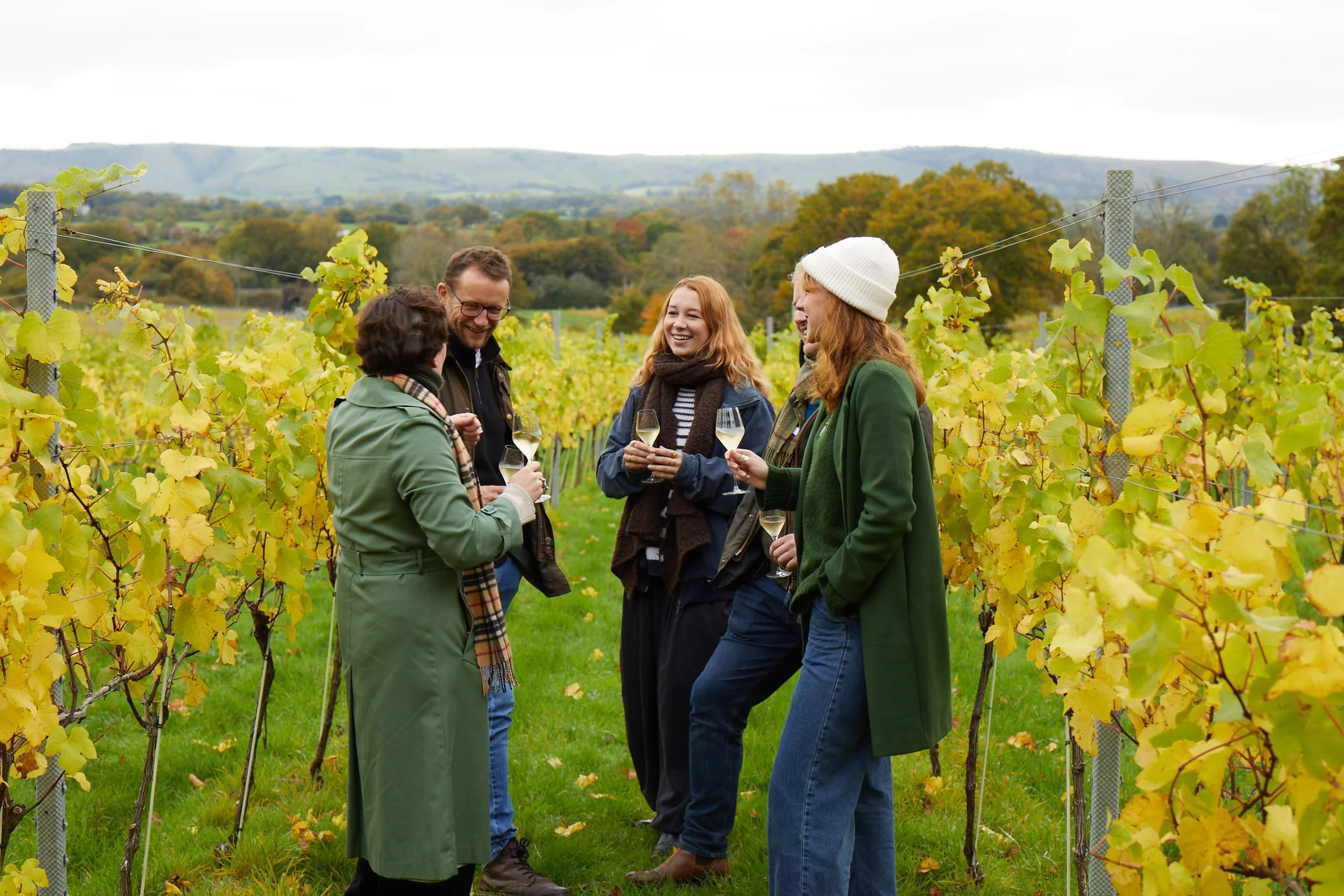
Vineyard tour at Artelium
Are PIWI Wines Any Good?
This is the question that matters most. Sustainability can open the conversation, but the wine still has to earn its place in the glass.
The quality of any wine depends on variety, site, season, viticulture and winemaking. PIWIs are no different. Some will prove more successful in England than others, and knowledge is still developing. That is part of the excitement. Growers and winemakers are learning how each variety behaves, when to pick it, how to manage extraction and where it works best in a blend or as a single-variety wine.
At their best, PIWI wines are not interesting only because they require fewer treatments. They are interesting because they can be distinctive, balanced and delicious.
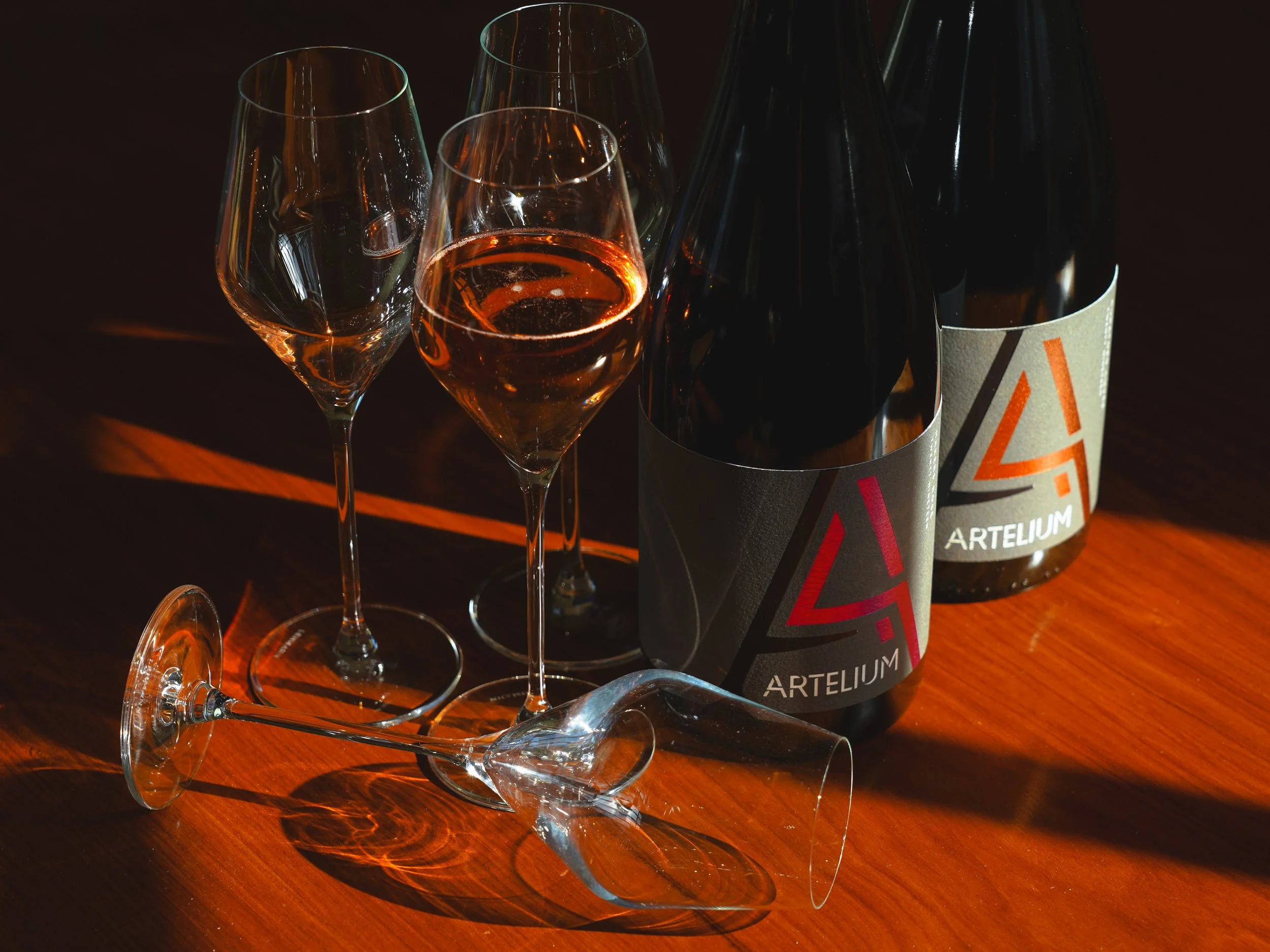
Artelium sparkling wines
PIWI Grapes in the UK and Europe
Interest in PIWIs is growing across Europe and in the UK. Bordeaux and Champagne have approved selected resistant varieties within defined rules, while Germany, Switzerland and Austria have been important centres of breeding, trial work and plantings. In Britain, established hybrids such as Seyval Blanc and Solaris sit alongside increasing interest in modern varieties including Cabaret Noir, Divico and Sauvignac.
The British context is especially relevant. Our vineyards often experience rainfall and humidity during the growing season, and fungal-disease pressure can be significant. At the same time, England is a young wine-producing country with room to experiment. We can respect the classics while asking what varieties may be well suited to the decades ahead.
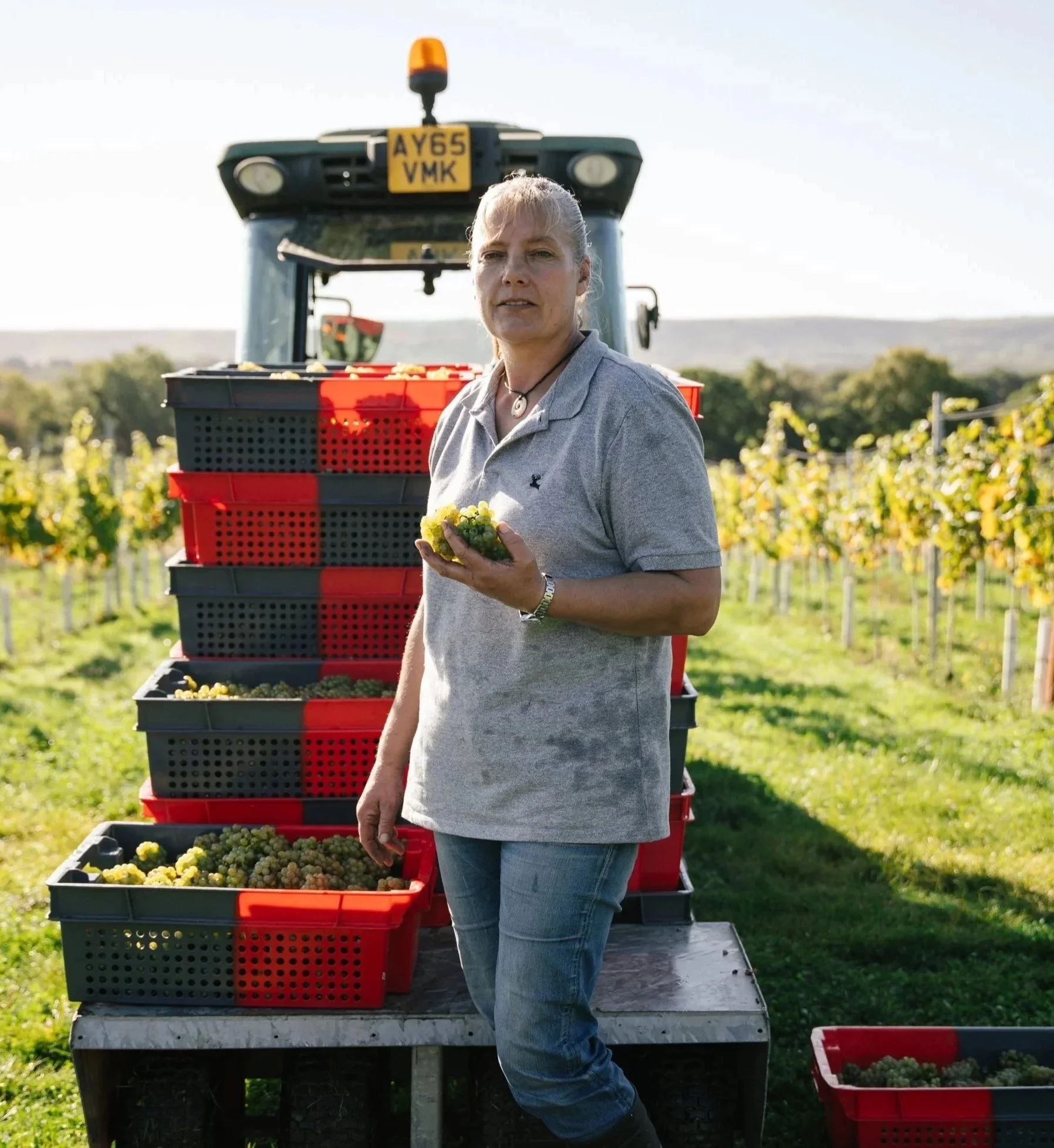
Artelium East Sussex Site
Six PIWI Varieties Grown at Artelium
Artelium has planted more than 17,000 PIWI vines across six varieties: Divico, Pinotin, Cabaret Noir, Sauvignac, Souvignier Gris and Rinot. They form part of our lower-input viticulture work and give our vineyard and winemaking teams a broader palette for contemporary cool-climate wine.
OUR VARIETIES…
Divico - Red
Swiss-bred from Gamaret and Bronner. Deep colour, dark berry and damson fruit, fresh acidity, tannin and savoury spice make it particularly useful for structured reds and blends.
Pinotin - Red
A modern red with a complex recorded pedigree. It can show cherry, forest fruit, freshness and supple tannin. We describe its style on its own terms rather than presenting it as a copy of Pinot Noir.
Cabaret Noir - Red
A Swiss-bred variety with Cabernet Sauvignon as one known parent. It can give black cherry, plum, dark fruit, herbal detail and savoury structure. Its second parent is not publicly identified in the current catalogue record.
Sauvignac - White
An aromatic white variety with Sauvignon and Riesling in its family tree. Citrus, blossom, herbs and lively acidity are useful reference points, although site and winemaking shape every finished wine.
Souvignier Gris - White / gris
A German-bred variety with pink-grey berries. It can produce rounded, textural white wines with orchard and stone-fruit character.
Rinot - White
A Czech-bred white with a complex family tree that includes Pinot Gris ancestry. It offers fresh, aromatic cool-climate potential.
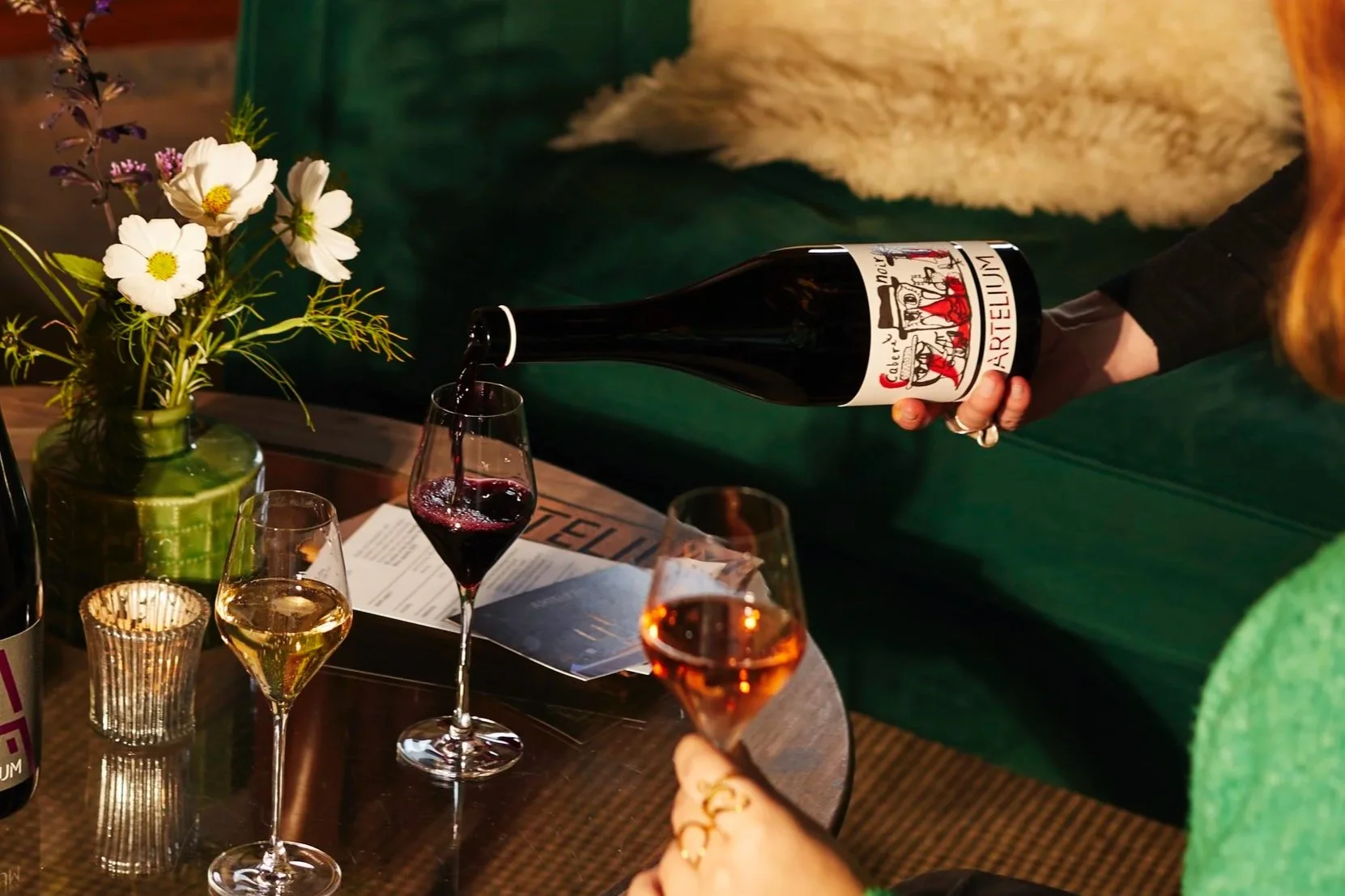
Vineyard tour at Artelium
Our First PIWI Wine: Artefact #9 Cabaret Noir
Our first PIWI wine was Artefact #9 Cabaret Noir, made from the 2023 harvest. It was a 100% Cabaret Noir wine from a single parcel grown at Warehorne in Kent, fermented without malolactic fermentation to retain freshness and aged for six months in American and Burgundian barriques.
The wine was lively and generous, with black cherry, plum, freshly roasted cocoa bean, dates, cedar and ground paprika, carried by chewy, limber tannins. It gave us something far more valuable than a sustainability talking point. It showed that a modern disease-resistant variety could make a distinctive English red with depth, freshness and personality.
Artefact #9 was intentionally small-batch and experimental, but it helped establish a direction. It encouraged us to keep exploring what PIWI varieties can contribute, both as varietal wines and as part of thoughtful blends.
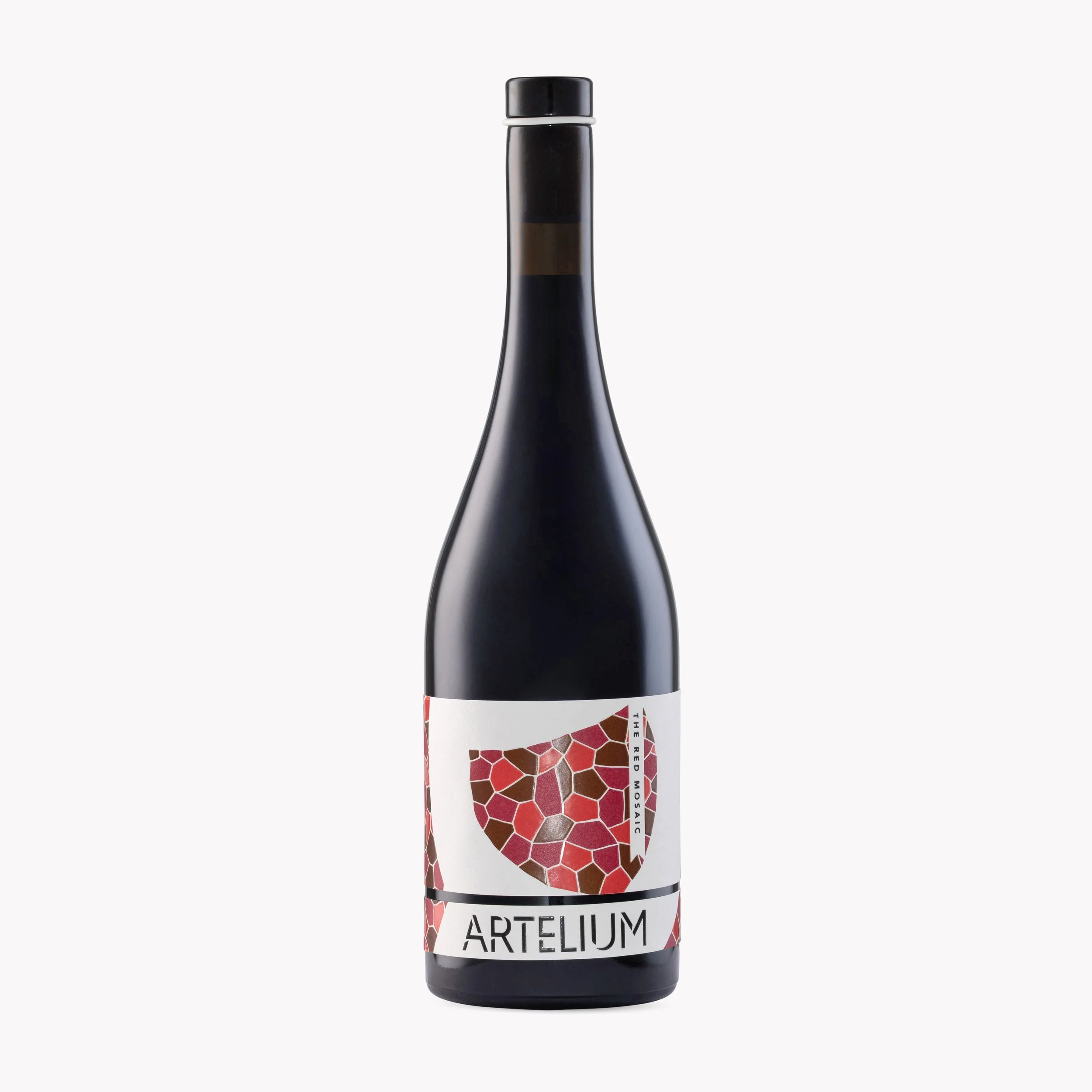
The Red Mosaic 2024: PIWI Grapes in an English Red Blend
We are especially excited by The Red Mosaic 2024, our contemporary English red blend. It brings together 25% Pinot Meunier with 75% PIWI varieties: 50% Divico and 25% Cabaret Noir.
The wine has an opulent profile of stewed autumn fruit, including blackberry, black cherry, plum and damson, with an underpinning of tobacco leaf and smoky savoury detail. It is fresh and layered, with fine tannins and a subtle oak finish.
The varieties were fermented separately in stainless steel and matured in oak barrels for nine months. The Red Mosaic is a low-intervention wine, so some sediment may appear and it can benefit from decanting. It works beautifully with roast duck, game terrine, mushroom dishes and English hard cheeses.
What matters to us is the balance of the blend. Divico brings colour and structure, Cabaret Noir contributes dark-fruit intensity and freshness, and Meunier adds brightness, lift and approachability. The result is not a technical exercise. It is a generous, characterful English red that happens to show how modern disease-resistant varieties can work alongside a traditional grape.
The Future of PIWI Varieties in the UK
PIWI plantings are likely to remain an important area of experimentation in British vineyards. Some varieties will prove better adapted to particular sites than others. Some will work best as blending components; others may establish a clear identity as varietal wines. The only responsible way to find out is through careful trial, observation, tasting and transparent sharing of results.
At Artelium, our journey has moved from Artefact #9 Cabaret Noir to The Red Mosaic 2024, while our six planted PIWI varieties give us much more to explore. We are excited by what these grapes may contribute to English red and white wine, and by the possibility of farming with fewer treatments while continuing to pursue quality.
The future of English wine will still include Chardonnay, Pinot Noir and Meunier. It may also include Divico, Cabaret Noir, Pinotin, Sauvignac, Souvignier Gris and Rinot. For a country still writing its wine story, that feels less like a break with tradition and more like the beginning of one.
-
Sussex wine is wine associated with vineyards and production in East or West Sussex. A wine may state Sussex as its region without necessarily carrying Sussex PDO status, so the label and technical information should be checked.
-
PDO means Protected Designation of Origin. Sussex is a registered protected wine name under the UK geographical indication scheme, with a defined area and production requirements.
-
The UK government records 5 July 2022 as the date of registration under the UK scheme.
-
No. A producer must apply for the relevant scheme, and the wine must meet its requirements and assessment. Excellent Sussex wines may also be sold under other permitted classifications.
-
The original Sussex specification refers to Sussex, Sussex Sparkling, Sussex Still and Sussex Origin. Current WineGB public guidance lists Sussex Sparkling Wine PDO among registered schemes. Check the latest government and WineGB scheme documents before making a technical claim about a particular wine.
-
Sussex combines a cool climate, varied soils, suitable slopes and a high concentration of experienced growers and winemakers. Chalk is important, but clay, greensand, sandstone and other soils also contribute to the region’s diversity.
-
Experience Sussex currently states that there are more than 159 vineyards and that Sussex contains more than a quarter of Britain’s vineyards.
-
Chardonnay, Pinot Noir and Meunier are central to traditional-method sparkling wine. Sussex vineyards also grow grapes including Pinot Gris, Bacchus and a growing range of modern disease-resistant varieties.
-
Yes. Sussex producers make still white, rosé and red wine alongside sparkling wine.
-
Yes. Many estates offer tours, tastings, food, events or accommodation. Opening times and booking arrangements vary, so check the producer’s current website before travelling.
-
That is unlikely to be their only role. PIWIs can complement classic varieties, support lower-input viticulture and offer new varietal and blending possibilities.